Post Surgical Physio Geelong | Recovery Rehabilitation After Surgery
Surgery is the beginning of recovery, not the end. The quality and consistency of post surgical physio Geelong patients undertake after their operation has a direct and measurable impact on how completely and how quickly they regain strength, mobility and function. At Physio Geelong Clinic, our AHPRA-registered physiotherapists provide structured rehabilitation programs for patients recovering from knee, hip, shoulder and spinal surgery with same-week appointment availability for patients from Highton, Belmont, Grovedale, Armstrong Creek and Ocean Grove who need to start rehabilitation promptly after their operation.
Post-Surgical Rehab Geelong
Why Post-Surgical Physiotherapy Is Essential for Recovery
After surgery, the body’s natural healing process repairs damaged tissue, but it does not automatically rebuild the strength, movement range and neuromuscular control that were lost. Without structured rehabilitation, patients commonly experience long-term functional limitations even after anatomically successful surgery.
Post surgical physio Geelong patients complete addresses the four key deficits that surgery and immobilisation create: muscle atrophy (particularly rapid in the first days and weeks post-operatively), joint stiffness, neuromuscular inhibition and movement pattern disruption. Addressing all four through a progressive rehabilitation program is what converts a technically successful surgery into a functionally successful outcome. In our experience, patients who begin structured physiotherapy early and progress consistently achieve substantially better long-term outcomes than those who rely on passive recovery alone.
Procedures We Support
Surgeries We Provide Rehabilitation For
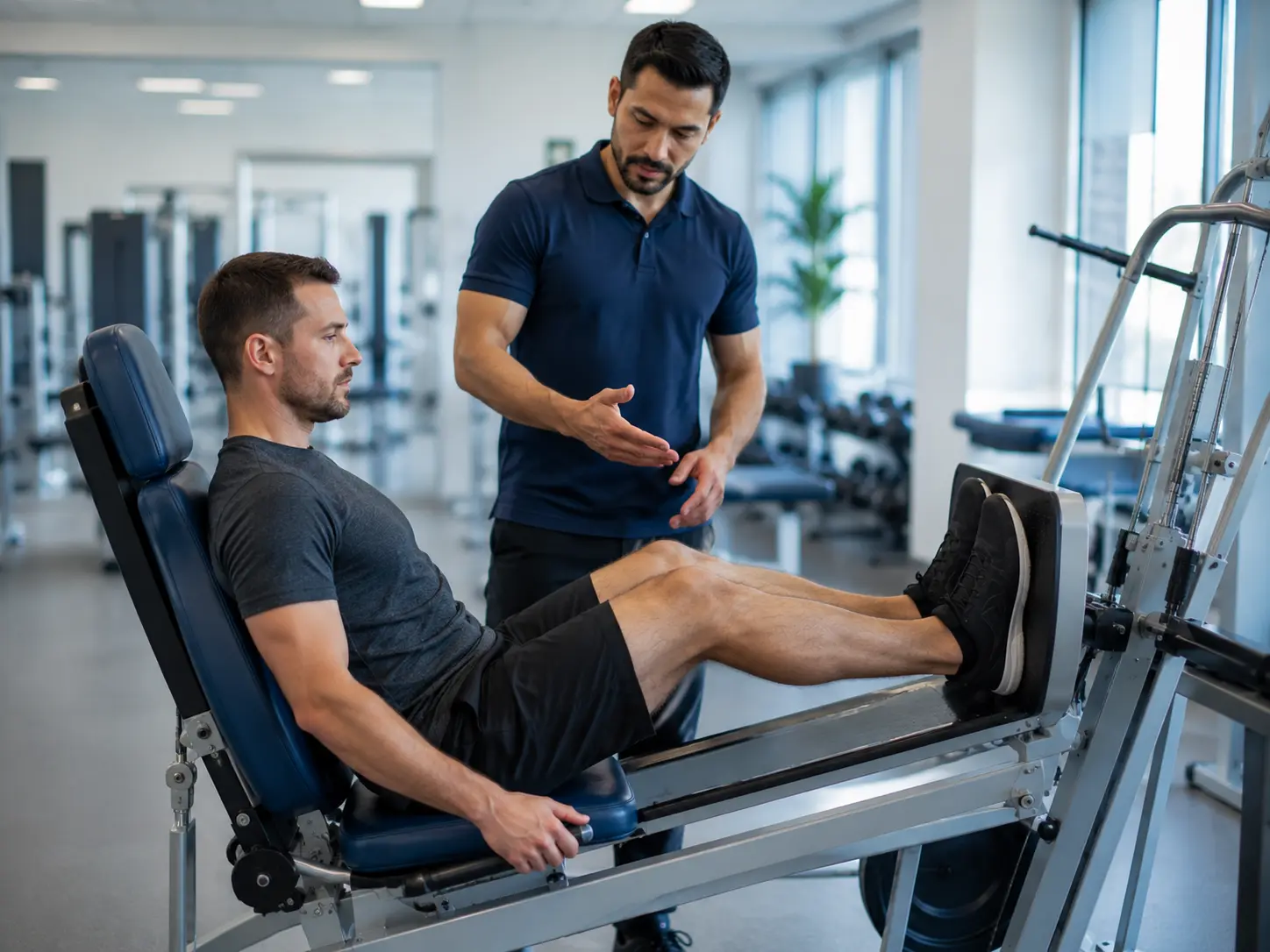
Our post-surgical rehabilitation team at our Geelong clinic provides evidence-based programs following a wide range of orthopaedic and spinal procedures, including:
How we work
What to Expect During Post-Op Physio in Geelong
Post-surgical rehabilitation progresses through distinct phases, each with specific clinical goals that must be achieved before advancing. Your physiotherapist coordinates your program with your surgeon’s post-operative protocol and tailors the pace of progression to your individual healing response, fitness level and goals.
1
Week 1–2: Acute Post-Op Recovery
Managing pain and swelling, protecting the surgical repair and beginning gentle movement within your surgeon’s limits — circulation exercises, early range of motion, scar tissue management and positioning education.
2
Week 3–6: Early Rehabilitation
More active movement exercises, progressive weight-bearing for lower limb surgeries and early muscle activation work, restoring full joint range of motion and re-establishing neural pathways.
3
Week 7–12: Progressive Strengthening
Resistance and loading increased systematically, targeting the muscles around the surgical site and the broader kinetic chain, with balance and proprioceptive training for lower limb programs.
4
Month 4–12: Return to Full Function
Restoring the full functional capacity required for your goals, including sport-specific or activity-specific conditioning and objective functional testing before clearance.
ACL Reconstruction
ACL Reconstruction Rehabilitation Geelong
ACL reconstruction rehabilitation is among the most studied and protocol-driven procedures in orthopaedic physiotherapy. Evidence consistently supports criteria-based progression over time-based progression — meaning advancement through rehabilitation phases is based on achieving objective strength and functional milestones, not arbitrary post-operative timeframes.
Our ACL rehabilitation program spans nine to twelve months from surgery to return to full sport. Key milestones include: full knee extension and 90° flexion by week 6; symmetrical quadriceps strength assessed via Limb Symmetry Index at three and six months; and passing a validated return-to-sport test battery including single-leg hop testing and sport-specific agility tasks before competition clearance at nine to twelve months. We work in close communication with your surgeon and provide formal progress reports at key milestones. Athletes considering ACL reconstruction benefit from pre-operative physiotherapy. Learn more about our sports injury rehabilitation programs.
Joint Replacement
Knee & Hip Replacement Rehabilitation
Total joint replacement rehabilitation requires careful management of early post-operative restrictions alongside progressive mobilisation to prevent joint stiffness and muscle weakness becoming long-term limitations.
🦵
Total Knee Replacement Physio
Following total knee replacement, achieving full knee extension is the primary early goal — a flexion contracture developing in the early post-operative period can become permanent if not addressed promptly. Our TKR programs address early swelling management, progressive range of motion, quadriceps and hip strength, walking normalisation and stair management. Most patients achieve functional independence for daily activities within six to eight weeks, with full strength recovery typically at four to six months.
🦴
Total Hip Replacement Physio
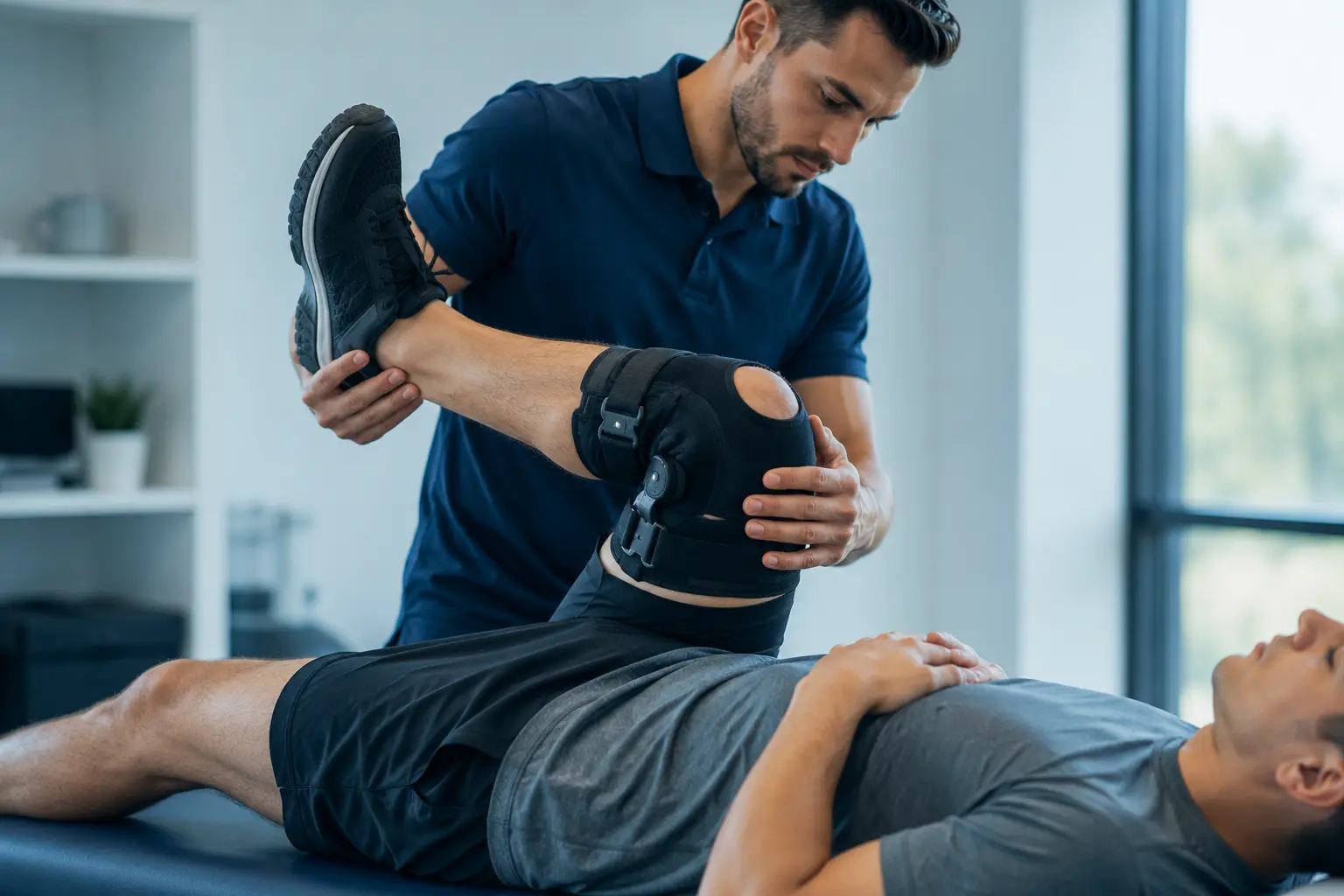
Post-op physiotherapy our Geelong physiotherapists deliver for total hip replacement requires adherence to specific movement precautions in the first six to eight weeks to protect the newly implanted joint — the specific precautions depend on the surgical approach used by your surgeon. Beyond the precautionary phase, our programs focus on hip abductor and extensor strengthening, normalising gait pattern, building single-leg stability and progressing to full functional activities. Our team liaises directly with your surgeon to confirm the precautions applying to your specific procedure.
Shoulder Surgery
Shoulder Surgery Rehabilitation (Rotator Cuff, Labrum)
Choosing the right post-op physiotherapy clinic in Geelong for shoulder procedures matters — timelines vary based on the specific procedure and the extent of the repair. Healing tissue must be protected during early rehabilitation, and loading is introduced progressively as repair integrity develops.
Rotator Cuff Repair Physio
Following rotator cuff repair, the repaired tendon is protected in a sling for four to six weeks while healing progresses. Pendulum and assisted range-of-motion exercises begin within the first weeks, with progressive active movement introduced once the repair has sufficient integrity. Strengthening begins at approximately 10–12 weeks and progresses through to full overhead loading at five to six months. Return to overhead sports or heavy lifting typically occurs at six to nine months, dependent on individual healing and functional testing results.
Spinal Surgery
Spinal Surgery Rehabilitation
Spinal surgery rehabilitation including laminectomy, discectomy and spinal fusion requires a graduated return to activity that protects the surgical site while progressively rebuilding the core strength and movement control that support long-term spinal health.
Spinal Fusion Rehabilitation
Spinal fusion rehabilitation is conservative in the early post-operative period, with an emphasis on neural symptom monitoring, safe mobilisation and protection of the fusion site. Progressive rehabilitation introduces walking programs, gentle range-of-motion work and eventually progressive core and lower limb strengthening as fusion consolidates. Your physiotherapist coordinates closely with your neurosurgeon or spinal surgeon throughout the program, with formal communication at key milestones. If your surgery was WorkCover or TAC related, see our NDIS and WorkCover physiotherapy page for funding information.
Coordinated Care
Working With Your Surgeon & GP
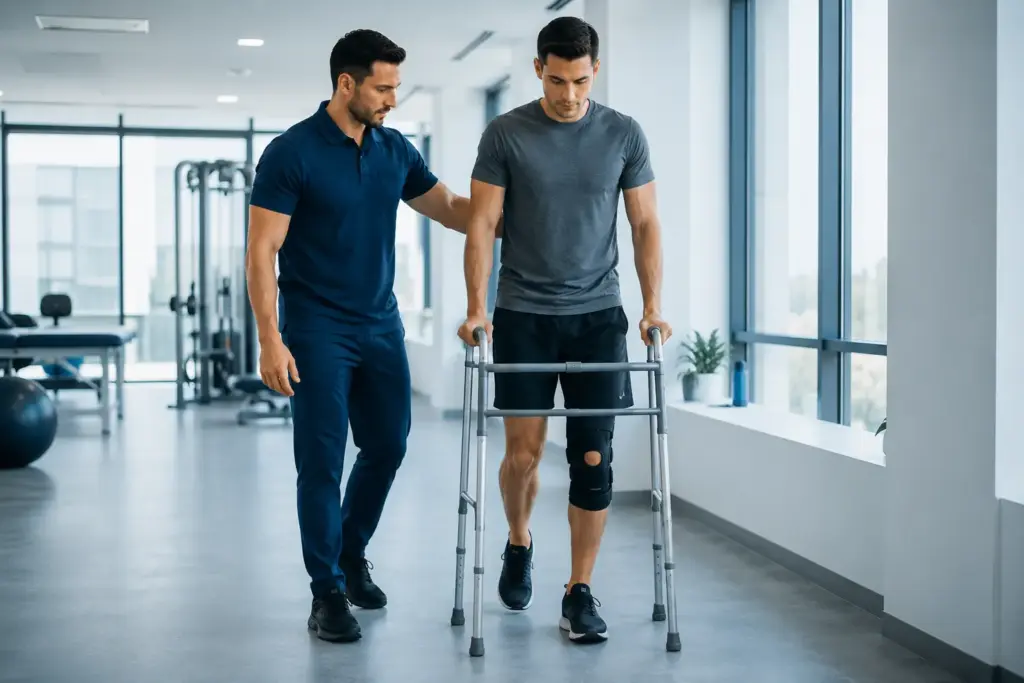
Effective post-surgical rehabilitation requires coordination between your physiotherapist, surgeon and GP. Our team provides formal progress reports at clinically relevant milestones, communicates directly with your surgical team when questions arise about protocol progression, and ensures that rehabilitation is aligned with the specific technique and implant used in your procedure.
If you have received a post-operative physiotherapy referral from your surgeon and are seeking post-surgical physiotherapy our Geelong patients rate highly, we encourage you to begin as early as your surgeon’s protocol allows. Early rehabilitation within days of many procedures significantly reduces post-operative stiffness and muscular inhibition. Learn more about our physiotherapy team, or contact us to book your first post-surgical appointment. Every member of the Australian Physiotherapy Association (APA) on our team maintains currency with post-surgical rehabilitation evidence through ongoing professional development.
Common questions
Frequently Asked Questions — Post-Surgical Physio Geelong
Can’t find your answer? Call our team — we’re happy to help before you book.
This information is general in nature. Post-surgical rehabilitation programs are developed in coordination with your surgeon’s protocol and your individual clinical presentation. Your physiotherapist will assess your specific condition and modify the program as needed throughout your recovery.
Book Your Post-Surgical Rehabilitation Assessment
Same-week appointments available Monday to Saturday. No referral required for most services. Our reception team will match you with the right sports physio for your sport and injury.